Unleashing Creativity: Leadership Workshops That Inspire
Updated: Feb 10
In a world where innovation drives success, the need for creativity in leadership has never been more crucial. Leadership workshops designed to inspire creativity can transform not only individual leaders but also entire organizations. These workshops provide a platform for leaders to explore new ideas, challenge conventional thinking, and foster a culture of innovation.
The Importance of Creativity in Leadership
Creativity is not just about artistic expression; it is a vital skill for leaders. Here are some reasons why creativity matters in leadership:
Problem-Solving: Creative leaders can approach challenges from different angles, leading to innovative solutions.
Adaptability: In a rapidly changing environment, creative leaders can pivot and adapt strategies to meet new demands.
Engagement: Creative leadership fosters an environment where team members feel valued and inspired to contribute their ideas.
The Role of Leadership Workshops
Leadership workshops focused on creativity serve as a catalyst for change. They provide leaders with tools and techniques to enhance their creative thinking. Here are some key components of effective leadership workshops:
Interactive Activities: Engaging exercises that encourage participants to think outside the box.
Collaborative Learning: Opportunities for leaders to share experiences and learn from one another.
Expert Guidance: Insights from facilitators who specialize in creativity and leadership development.
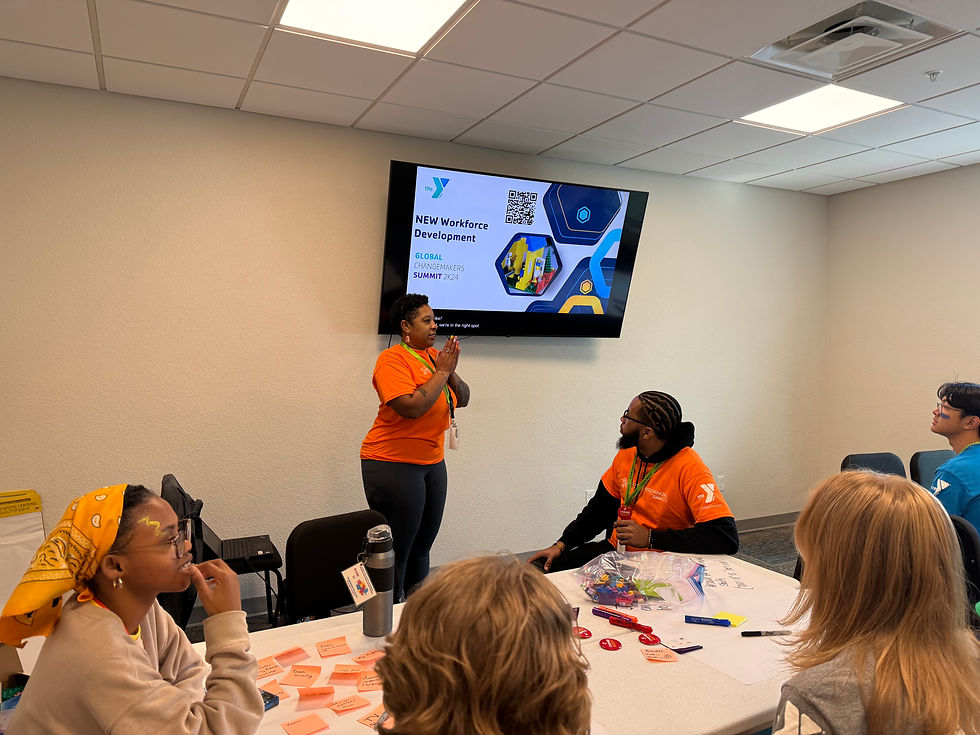
Designing a Creative Leadership Workshop
Creating a successful leadership workshop requires careful planning. Here are steps to consider:
Define Objectives
Start by identifying the specific goals of the workshop. Are you aiming to enhance problem-solving skills, foster collaboration, or encourage innovative thinking? Clear objectives will guide the workshop's structure.
Choose the Right Format
Consider various formats for the workshop, such as:
In-Person Sessions: Allow for direct interaction and hands-on activities.
Virtual Workshops: Provide flexibility and accessibility for remote teams.
Hybrid Models: Combine both in-person and virtual elements to reach a wider audience.
Incorporate Creative Techniques
Utilize various creative techniques to stimulate thinking, such as:
Brainstorming Sessions: Encourage free-flowing ideas without judgment.
Role-Playing: Allow participants to step into different perspectives.
Mind Mapping: Visualize connections between ideas to spark new thoughts.
Examples of Successful Leadership Workshops
Several organizations have successfully implemented creative leadership workshops. Here are a few examples:
Google’s Design Sprint
Google’s Design Sprint is a five-day workshop that helps teams solve problems and test ideas quickly. By focusing on rapid prototyping and user feedback, participants learn to embrace creativity in their decision-making processes.
IDEO’s Human-Centered Design
IDEO, a design and consulting firm, offers workshops that emphasize human-centered design. These workshops teach leaders to empathize with users, encouraging innovative solutions that meet real needs.
The Walt Disney Company’s Creativity Workshops
Disney’s creativity workshops focus on storytelling and imagination. Leaders learn to harness the power of narrative to inspire their teams and create engaging experiences for customers.
Measuring the Impact of Leadership Workshops
To ensure the effectiveness of leadership workshops, it is essential to measure their impact. Here are some methods to consider:
Feedback Surveys
Collect feedback from participants to gauge their satisfaction and the workshop's relevance. Questions can include:
What did you find most valuable?
How do you plan to apply what you learned?
What improvements would you suggest?
Follow-Up Sessions
Conduct follow-up sessions to assess how participants have implemented their learning. This can include:
Group discussions to share successes and challenges.
One-on-one check-ins to provide additional support.
Performance Metrics
Track performance metrics related to creativity and innovation within the organization. This can include:
The number of new ideas generated.
The success rate of implemented ideas.
Employee engagement scores.
Creating a Culture of Creativity
Leadership workshops are just the beginning. To sustain creativity within an organization, leaders must foster a culture that encourages innovation. Here are some strategies:
Encourage Open Communication
Create an environment where team members feel comfortable sharing their ideas. This can be achieved through:
Regular brainstorming sessions.
Open-door policies for feedback and suggestions.
Celebrate Creativity
Recognize and reward creative efforts within the team. This can include:
Acknowledging innovative ideas in team meetings.
Offering incentives for successful projects that stem from creative thinking.
Provide Resources
Equip teams with the tools and resources they need to explore their creativity. This can include:
Access to creative software and tools.
Opportunities for professional development in creative fields.
Conclusion
Leadership workshops that inspire creativity are essential for developing innovative leaders. By providing the right environment, techniques, and support, organizations can unleash the creative potential of their leaders. As a result, they will not only solve problems more effectively but also foster a culture of continuous improvement and innovation.
The journey to becoming a more creative leader starts with a single step. Consider attending or organizing a leadership workshop today to unlock your potential and inspire those around you.


Comments